
With a conceptual plan in place, The James River Heritage Trail moves one step closer to reality.

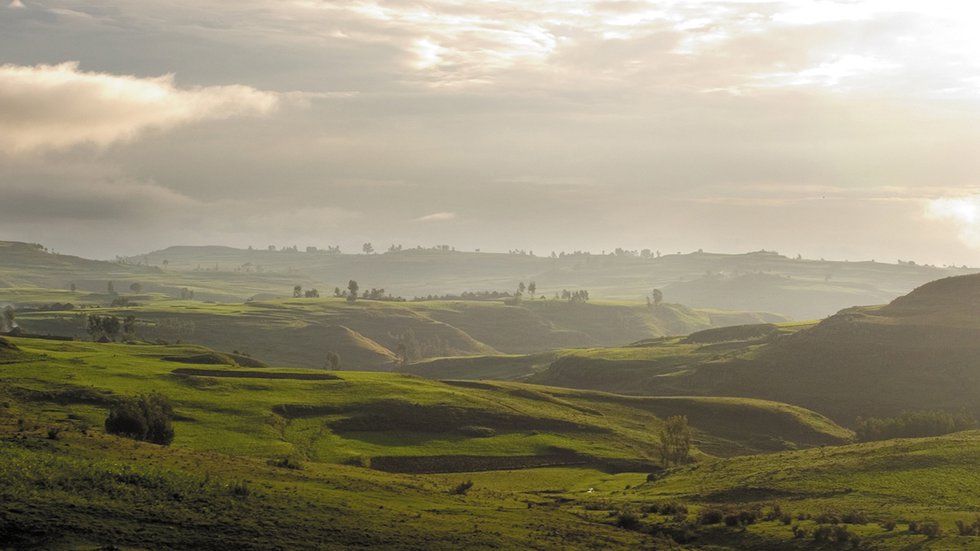
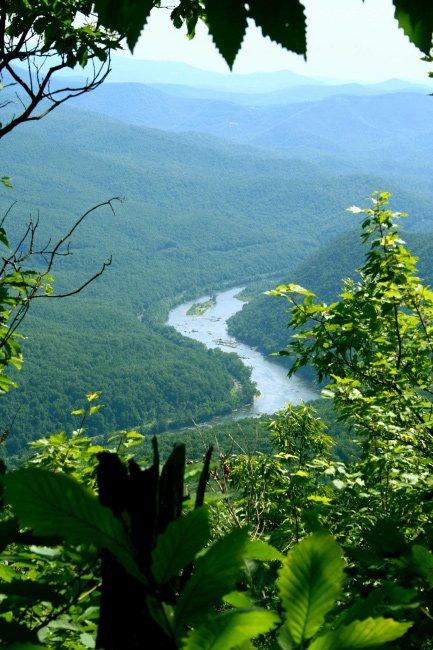
James River cutting through the mountains at the James River Face Wilderness, east of Glasgow
The James cutting through the mountains at the James River Face Wilderness, east of Glasgow

Canoes ready for launch at Rocketts Landing

James River canoe takeout at Osbourne Landing, Henrico County

Mountain bikers on the North Bank Trail

Hikers on the Appalachian Trail in Amherst County

Canoes paddling on the James River unbder the Varina-Enon Bridge

Cyclists on trhe North Bank Trail, in Richmond’s James River Park Systen

Fishing on the James River in downtown Richmond

High Bridge Trail State Park near Farmville

The James cutting through the mountains at the James River Face Wilderness, east of Glasgow

James River Heritage Trail%u2014potential connecting trails

Kayak at Williams Dam, James River in Richmond

Kayak in pipeline rapids on the James River in Richmond

Kayakers look at sunken barges along the Lagoon Trail, Dutch Gap

Looking south over the Great North Mountain from the Big Schloss

Mountain Streams off the Appalachian Trail

Rope swing below the railroad trestle, James River in Richmond

Virginia Capital Trail%u2014crossing Chickahominy River Bridge

Virginia Capital Trail in Jamestown
No doubt you’ve heard of the Appalachian, the Pacific Crest, and the Continental Divide Trails; perhaps you’re also familiar with Vermont’s Long Trail or the 1000-mile Mountains to the Sea Trail next door in North Carolina. But what about a long trail right here in our own state?
Yes, Virginia, as of August 2011, we have a well-documented draft of a conceptual plan for a trail system that will blow you away! The James River Heritage Trail. It’s not only a proposed hiking, running, and biking path, but a canoeing, kayaking, rafting water trail, a study in geological evolution, a history corridor of indisputable national treasures from our Native American legacy, to Captain John Smith’s voyage and the first English settlements, through the Revolutionary War, slave history, the Civil War, water dependent industrial and agricultural growth–including the James River and Kanawha Canal–up through the Civil Rights era.
The JRHT would also be endless miles of wildlife, of birding, fishing, snorkeling, backpacking, camping or horseback riding opportunities, connecting rural and urban locales. And what’s so promising about this vision is that much of this projected system is already in place or in development.
The mighty James River is Virginia’s river, and this plan networks the whole 10,432-square mile James River watershed, which is entirely (a smidgeon’s in WV) within our state’s borders, from the Alleghenies to the Chesapeake Bay. (Proposed) Vision: “The James River Heritage Trail is a network of communities that share their traditions, history and lifestyle to foster sustainable recreation and stewardship of treasured landscapes and local waters, trails and byways.”
Guiding principals as proposed:
- “The JRHT will provide multiple avenues to explore and learn about the heritage of the James River including off-road pathways, water trails, and on-road bicycle accommodations and driving routes.
- The JRHT will allow for and encourage the full involvement of a wide range of trail constituents, local citizens, and stakeholders.
- The JRHT will build upon existing trail plans, partnerships and traditions.
- The JRHT will be developed in a manner that ensures respect for private property, and be designed to complement and enhance, rather than detract from adjacent lands.
- The JRHT will support local businesses and regional economic revitalization efforts by creating a network of interconnected pathways and bike routes that link communities and showcase attractions throughout the watershed.
- The JRHT will serve as an outdoor classroom, connecting children to nature, and provide opportunities for active recreation that promotes health and wellness.
- The JRHT will serve to enhance existing land conservation efforts, promote wildlife corridors, and promote access to existing protected lands”
Divided into four segments: Mountains, Piedmont, Fall Line and Tidal, the draft looks at all possible existing and contributing trails and resources from parks, forests, and historical entities to municipalities and stakeholders. There are over 30 National resources in the James River watershed—parks, forests, refuges and historical sites. State Resources include 11 state parks, six natural area preserves, nine forest natural areas, seven state forests, 19 wildlife management areas, eight public fishing lakes, and three fish hatcheries. That coupled with the myriad of city and county bike/hike trails, museums, waterfront amenities, parks and recreational facilities make this into one of the most exciting projects ever to happen in Virginia. Plus, this trail would also intersect with such long trails as the East Coast Greenway and the Appalachian Trail, making opportunities even greater.
Just glancing at a list of all the non-profit stakeholders from the James River Association to Bike/Walk Virginia, then the State and Federal agencies operating within the watershed, not to mention all the local jurisdictions within the designated planning districts is mind-boggling. But this vision is bigger than all the recreation, the history, and the tourism potential; it’s about the greater legacy of resources we will leave for our children, about the conservation of water quality, of healthy forests and wildlife, of preservation of a watershed and ultimately about connecting of its communities.
According to Jennifer Wampler, state trail coordinator for the Department of Conservation and Recreation and the author of the JRHT concept plan, this trail has been part of the Virginia Outdoor Plan for about 30 years. Now, however, thanks to her efforts and those of countless trail advocates and authorities, it is formalized in this draft document.
Those involved in the planning have walked and canoed the length of the river. They have identified the challenges and obstacles to trail development from private property and liability issues to pressure on the river resource to funding and coordination leadership. It won’t be easy, but the plan leaps off its seventy plus pages as imminently doable!
To begin with, this trail concept is huge—340 miles of river—not to mention the web: the miles and miles of possible trail connections and bisects within the watershed plus the creeks and river tributaries. A Phasing Plan and Summary of Action Items prioritizes goals for development and management, planning, construction, education and outreach, policy coordination and beyond. Though there is just about something for absolutely every citizen in our fair state, it will take that much citizenry, their will and action to take this plan from the written document to putting the actual trail markers along our beloved River.
“We have provided this vision primarily for regional and local implementation. Projects captured in the VOP (Virginia Outdoor Plan) are more likely to be awarded grant funds through the Land and Water Conservation Fund, the Virginia Land Conservation Fund, and the Recreational Trails Program–so DCR supports local efforts for implementation through these funding streams and by providing technical assistance,” states Wampler. How to get this ball running? How to start the coordination process? “Our agency would need direction and funding from the General Assembly to hire a coordinator, and of course the General Assembly would have to hear from interested citizens for that to happen,” she adds.
When asked what she particularly liked about the plan? “I think it holds on to what is best about Virginians and presumes that in a world that is growing more fragmented—we can actually all work together to develop this 21st-century ‘pearls on a string’ recreation resource that honors our past while helping preserve our future.”
Read now and get excited! Then get busy! For more information and updates, go to the James River Heritage Trail website and sign up for the James River Heritage Trail E-News.